


Introduction: The Challenge of Damaged Cartilage
Cartilage injuries, especially in the knee, are a common problem that affects many people around the world. These injuries often cause ongoing pain, swelling, and difficulty moving, which can significantly affect day-to-day life. Repairing damaged cartilage is challenging because of the tissue’s unique biology and its very limited ability to heal itself. Although conventional treatments can ease symptoms, they often do not encourage true cartilage repair. New treatments like ChondroFiller are emerging as hopeful options because they directly tackle these challenges, representing an important step forward in orthopaedic care.
Understanding Cartilage and Its Limits
Cartilage is a specialised tissue that covers the ends of bones in joints such as the knee. It cushions the bones and allows smooth, pain-free movement. Cartilage cells, called chondrocytes, sit within a matrix made mostly of collagen and molecules called proteoglycans. Unlike many other tissues in the body, cartilage lacks a direct blood supply, meaning it receives fewer nutrients, making self-repair very difficult. This poor healing capacity means that damage can worsen over time, causing more pain, stiffness, and problems with joint function.
Why Traditional Treatments Sometimes Fall Short
Traditional treatments for cartilage damage include physiotherapy to improve joint movement, painkillers to manage discomfort, and surgical options like microfracture or joint replacement. While these can help reduce symptoms or slow disease progression, they rarely restore cartilage to its original healthy state. This is mainly because cartilage has a limited ability to repair itself naturally. As a result, many patients experience ongoing symptoms and gradual loss of joint function, which highlights the need for new therapies that can better support cartilage healing.
Free non-medical discussion
Not sure what to do next?
Information only · No medical advice or diagnosis.
What Is ChondroFiller? Principles and Purpose
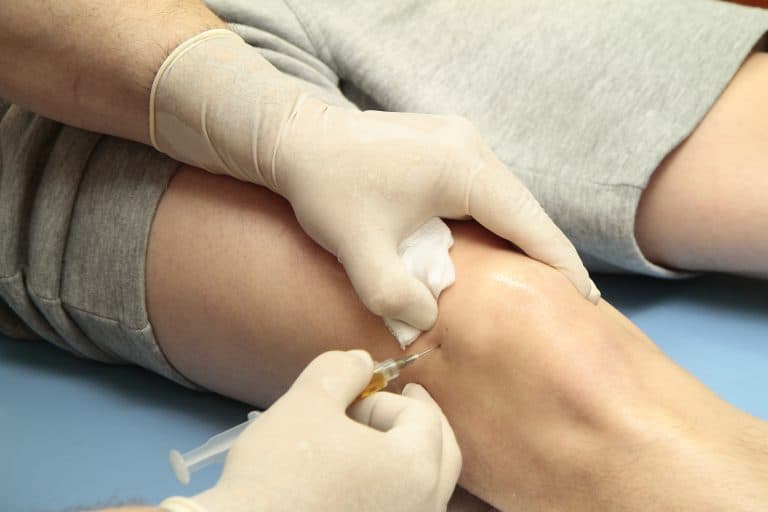
ChondroFiller is an innovative injectable treatment designed to stimulate cartilage regeneration. It is made from a cell-free type I collagen matrix, which acts as a scaffold to support the growth of new cartilage cells. When injected into a damaged cartilage area, ChondroFiller fills the defect and creates a supportive environment that encourages the patient’s own cartilage cells to multiply and mature. This strategy overcomes some of the biological barriers that usually prevent cartilage repair by protecting the damaged area and promoting the body’s natural healing.
Research shows that “ChondroFillerliquid shows the most pronounced viscous effects,” which is important for designing materials that mimic natural cartilage (Weizel et al., 2020). Clinical studies have reported ChondroFiller to be a “safe and simple workable method” which, even in early use, “successfully filled all defects” treated (Schneider, 2016). MRI scans confirmed “perfect integration with adjacent cartilage from the start,” along with “impressive maturation of the repaired tissue over time” (Schneider, 2016).
Moreover, ChondroFiller isn’t just for knees. It has also been effectively used in hip cartilage repair. As noted recently, it can be applied arthroscopically in a single-step procedure to treat full-thickness cartilage defects in the hip, using a specialised technique to deliver the gel precisely where needed (Perez-Carro et al., 2021).

The Role of Expertise and Professional Care
Successful treatment with ChondroFiller depends on thorough assessment and expert clinical care. Professor Paul Lee, a respected cartilage specialist and Ambassador for the Royal College of Surgeons of Edinburgh, offers extensive experience in orthopaedics and rehabilitation, guiding patients through these advanced options. The London Cartilage Clinic provides a dedicated, patient-focused setting where careful evaluation and personalised treatment plans ensure the best possible outcomes. While ChondroFiller shows great promise, optimal results rely on accurate diagnosis, suitable patient selection, and ongoing expert care.
Conclusion and Responsible Advice
ChondroFiller represents an important advance in managing cartilage damage in the knee and other joints, offering a biological scaffold that encourages genuine tissue repair instead of just masking symptoms. While this treatment is promising, it is just one part of a range of options that should be tailored to the needs of each individual. If you experience persistent knee pain or suspect cartilage damage, it’s important to seek advice from a qualified healthcare professional who can recommend the best course of action. For personalised medical guidance, please always consult your doctor.
This article provides clear, factual information about cartilage repair but should not replace personalised medical consultation.
References
- Weizel, A., Distler, T., Schneidereit, D., & Friedrich, O. (2020). Complex mechanical behavior of human articular cartilage and hydrogels for cartilage repair. Acta Biomaterialia, 121, 326–339. https://doi.org/10.1016/j.actbio.2020.10.025
- Schneider, U. (2016). Controlled, randomized multicenter study to compare compatibility and safety of ChondroFiller liquid (cell free 2-component collagen gel) with microfracturing of patients with focal cartilage defects of the knee joint. Visions in Orthopaedics and Research, 5(1). https://doi.org/10.5348/VNP05-2016-1-OA-1
- Perez-Carro, L., Rosi Mendoza Alejo, P., Gutierrez Castanedo, G., Menendez Solana, G., Fernandez Divar, J. A., Galindo Rubin, P., & Alfonso Fernandez, A. (2021). Hip Chondral Defects: Arthroscopic Treatment With the Needle and Curette Technique and ChondroFiller. Arthroscopy Techniques, 10(5), e1115–e1120. https://doi.org/10.1016/j.eats.2021.03.011
Frequently Asked Questions
- The London Cartilage Clinic provides expert-led, patient-focused care and advanced therapies for cartilage repair. Led by Professor Paul Lee, a renowned cartilage specialist and surgical ambassador, the clinic offers comprehensive assessment, diagnosis, and tailored treatment plans for optimal patient outcomes.
- Professor Paul Lee is a cartilage expert, Royal College of Surgeons of Edinburgh Ambassador and Advisor. His extensive orthopaedic and rehabilitation experience ensures precise diagnosis and professional guidance, thereby supporting patients in accessing advanced treatments such as ChondroFiller with confidence.
- Conventional treatments like physiotherapy and joint replacement may ease symptoms but rarely restore cartilage to its healthy state. This is mainly due to cartilage’s limited natural healing ability, leading to persistent symptoms and ongoing joint function problems for many patients.
- ChondroFiller uses a cell-free collagen matrix as a scaffold, promoting growth of new cartilage cells. It fills cartilage defects, protects the area, and encourages natural healing. This approach aims to tackle the root causes of cartilage damage, not just the symptoms.
- Anyone experiencing persistent knee pain, swelling, or joint dysfunction may benefit from a specialist assessment at the clinic. Expertise in regenerative options like ChondroFiller ensures patients receive a thorough evaluation and evidence-based recommendations tailored to their specific clinical needs.
Legal & Medical Disclaimer
This article is written by an independent contributor and reflects their own views and experience, not necessarily those of London Cartilage Clinic. It is provided for general information and education only and does not constitute medical advice, diagnosis, or treatment.
Always seek personalised advice from a qualified healthcare professional before making decisions about your health. London Cartilage Clinic accepts no responsibility for errors, omissions, third-party content, or any loss, damage, or injury arising from reliance on this material.
If you believe this article contains inaccurate or infringing content, please contact us at [email protected].
London Cartilage Clinic
Modern treatments, designed for lasting knee outcomes
Every treatment plan is selected to help you return to the quality of life you deserve. Our team combines up-to-date techniques with consultant-led decision making across cartilage repair, regeneration and replacement.
What your journey can look like
Step 01
Consultant-Led Assessment
Symptoms, imaging and goals reviewed in one structured appointment.
Step 02
Personalised Treatment Plan
A clear route chosen from repair, regeneration or replacement options.
Step 03
Precision Delivery
Modern techniques and specialist equipment matched to your diagnosis.
Step 04
Long-Term Knee Health
Follow-up guidance focused on durable function and quality of life.
Will the Arthrosamid work for me
PAAG-8+ Questionnaire
A bright, structured entry point for patients exploring Arthrosamid. The questionnaire helps frame suitability, expectations, and 24-month clinical benefit discussion before a fuller consultant-led review.
Designed for shared decision-making. It does not replace specialist consultation, examination, imaging review, or formal medical advice.